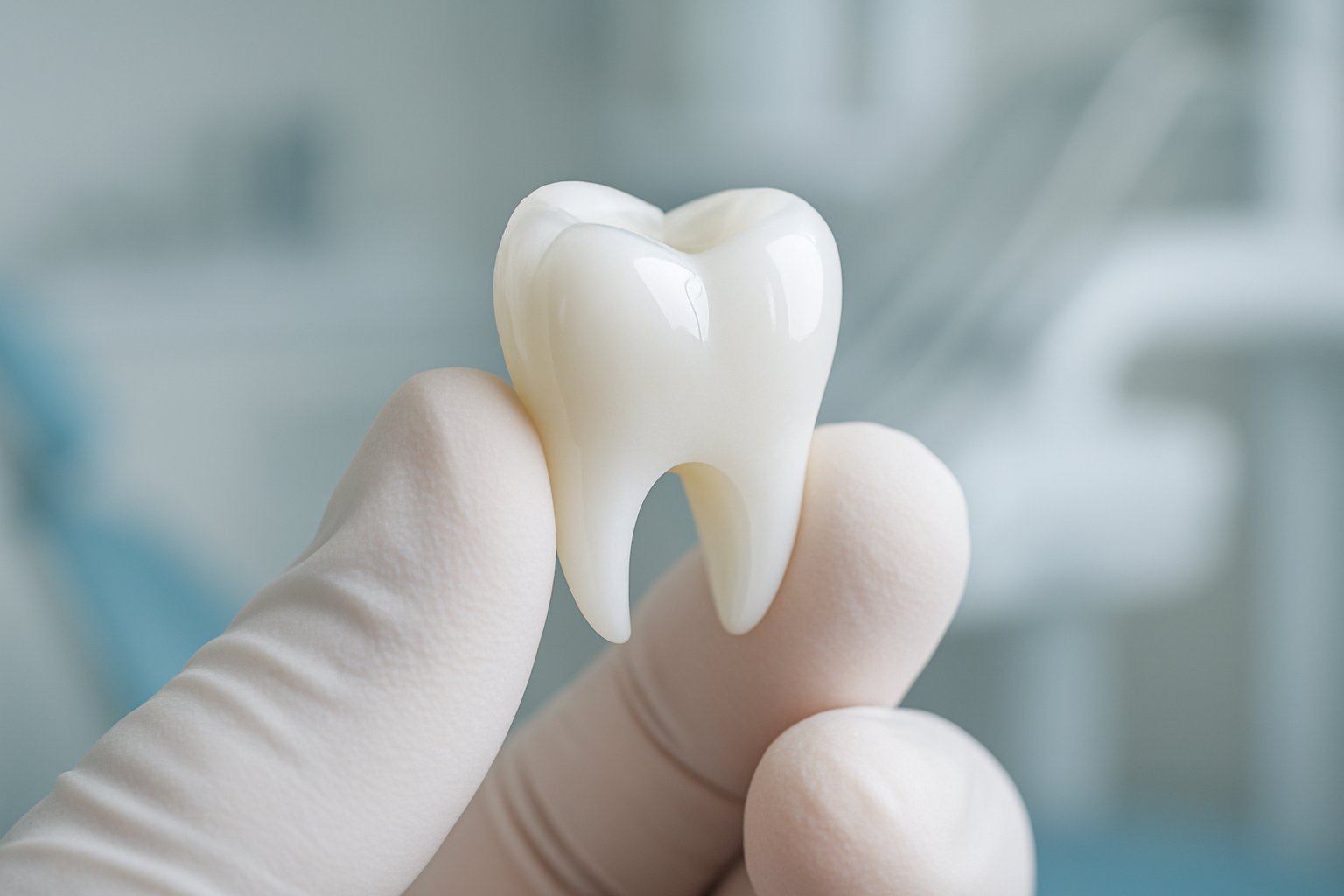
Dental crowns have changed a lot over the years. Today, we have many options to restore damaged teeth. One of the newest and most popular choices is the zirconia crown.
A zirconia crown is a tooth-colored cap made from zirconium dioxide, a strong ceramic material that covers a damaged or weakened tooth. These crowns look natural and can last many years with proper care. We use them to fix broken teeth, cover large fillings, or improve the appearance of discolored teeth.
Zirconia crowns offer several benefits over older crown materials. They resist stains better than other options and match your natural teeth closely. Many patients choose zirconia crowns because they provide both strength and beauty in one solution.
If you’re looking for a high-quality zirconia crown that blends perfectly with your natural teeth, Dr. Alexander Visot is the best specialist in Woodland Hills to trust with your smile. Known for his precision, artistry, and attention to detail, Dr. Visot uses state-of-the-art technology and premium materials to craft zirconia crowns that are durable, aesthetic, and customized to each patient’s bite and facial structure. Whether you need to restore a damaged tooth or enhance your smile’s overall appearance, Dr. Visot delivers results that look natural and feel seamless.
Key Takeaways
- Zirconia crowns are strong ceramic caps that restore damaged teeth while looking natural
- These crowns resist stains and last longer than many traditional crown materials
- Proper care and regular dental visits help zirconia crowns last for many years
What Is a Zirconia Crown?
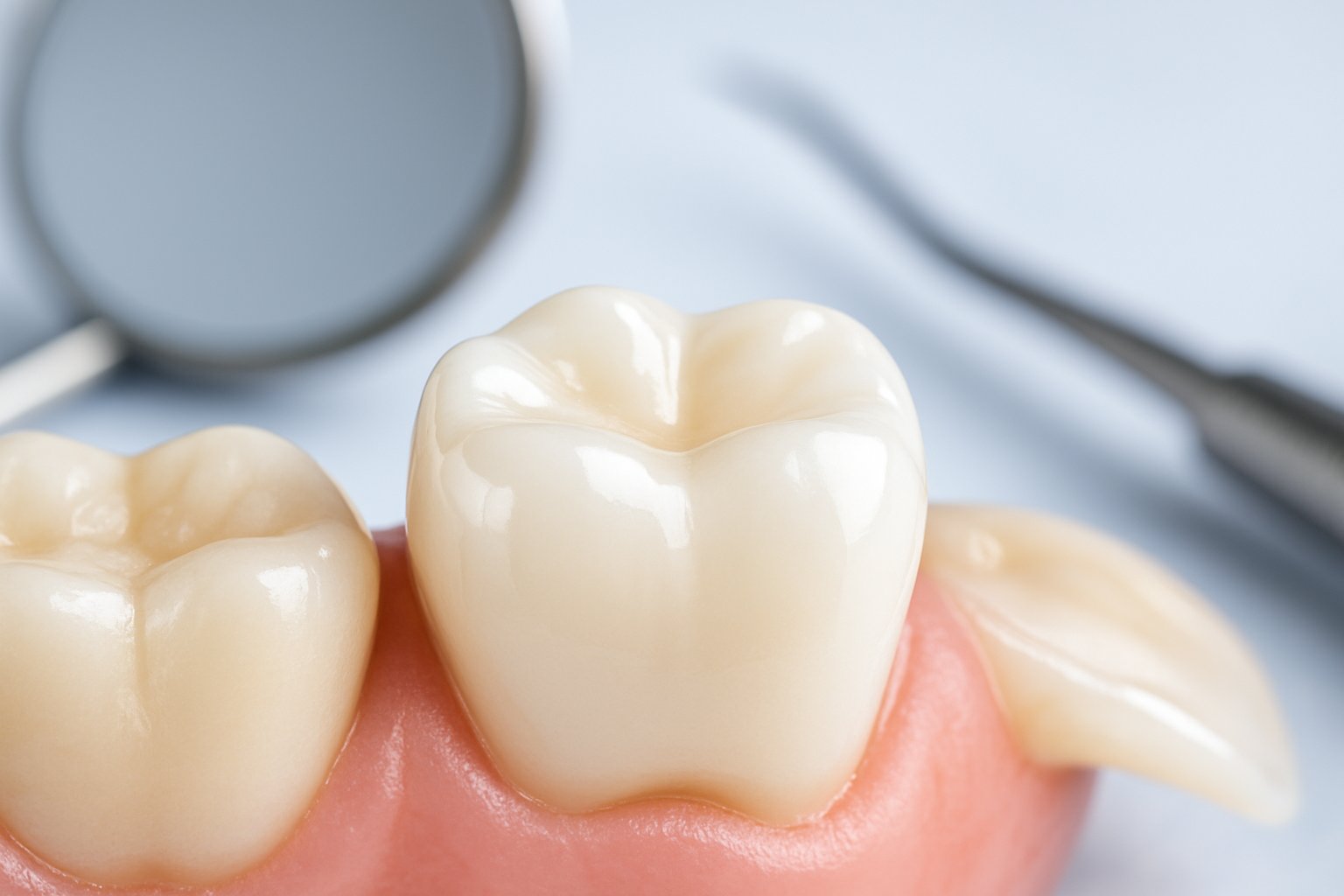
Zirconia crowns are dental restorations made from zirconium dioxide, a strong ceramic material. They work by covering damaged teeth and offer different benefits compared to other crown materials.
Definition and Material Composition
A zirconia dental crown is a tooth-shaped cap made from zirconium dioxide. This white ceramic material covers a damaged or weakened tooth completely.
Zirconia is one of the strongest materials we use in restorative dentistry. It can handle bite forces of up to 1,200 MPa, which is stronger than natural tooth enamel.
The material comes in two main types:
- Solid zirconia – Made entirely from zirconium dioxide
- Layered zirconia – Has a zirconia base with porcelain on top
Zirconium dioxide is biocompatible. This means it does not cause allergic reactions or harm your gums and mouth tissues.
The material starts as a white powder. Dental labs shape it using computer technology and then heat it to over 1,500°C to make it hard.
How Zirconia Crowns Work
Zirconia crowns work by replacing the visible part of a damaged tooth. We cement the crown over your prepared tooth to restore its shape, size, and function.
The crown protects weak teeth from breaking. It also improves how your tooth looks and works when you bite and chew.
We make zirconia dental crowns using digital scans of your mouth. A computer designs the crown to match your other teeth perfectly.
The crown fits over your tooth like a cap. We use strong dental cement to attach it permanently to your prepared tooth.
Zirconia crowns can last 10-15 years with proper care. They resist staining and do not change color over time like some other materials.
Zirconia vs Other Dental Crown Materials
Zirconia crowns offer different benefits compared to other dental crown options:
Strength Comparison:
- Zirconia: Very strong, rarely breaks
- Porcelain: Weaker, can chip or crack
- Gold: Strong but soft, wears down over time
Appearance:
- Zirconia: White, matches natural teeth well
- Porcelain-fused-to-metal: Can show dark lines at gum line
- All-ceramic: Good color match but less strong
Durability: Zirconia dental crowns last longer than most other materials. Metal crowns last about the same time but look less natural.
Cost: Zirconia crowns typically cost more than porcelain-fused-to-metal crowns. They cost about the same as other all-ceramic options.
The main advantage of zirconia is combining strength with good looks. This makes them ideal for both front and back teeth in dental restoration work.
Types of Zirconia Crowns
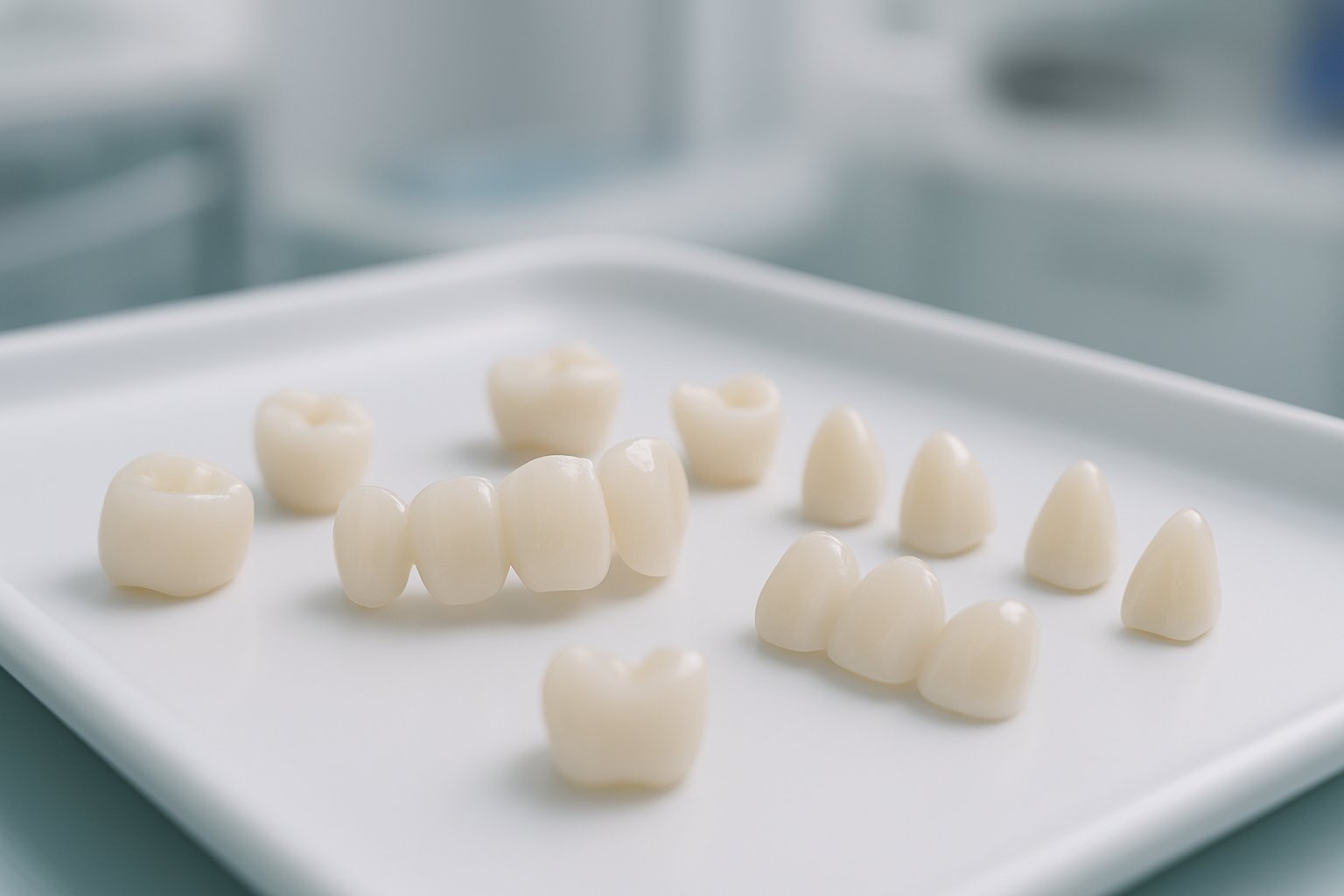
Zirconia crowns come in three main types based on their construction method. Each type offers different benefits for strength, appearance, and cost.
Monolithic Zirconia
Monolithic zirconia crowns are made from a single block of zirconium dioxide material. We mill these crowns from one solid piece without adding any layers.
These crowns are extremely strong and durable. They resist chipping and breaking better than most other crown types.
Key benefits of monolithic zirconia:
- Maximum strength
- No layering to chip off
- Thinner crown walls possible
- Lower cost than layered options
The main drawback is appearance. Monolithic zirconia looks less natural than layered crowns. It works best for back teeth where strength matters more than looks.
We often recommend monolithic zirconia for patients who grind their teeth. The solid construction handles heavy bite forces well.
Layered Zirconia
Layered zirconia crowns have a zirconium dioxide core with porcelain added on top. We build these crowns in two steps using different materials.
The zirconia core provides strength. The porcelain layer creates a natural tooth appearance with better color matching.
Layered zirconia construction:
- Inner zirconia frame for strength
- Outer porcelain layer for aesthetics
- Hand-crafted color details
- Custom shading options
These crowns look more like real teeth than monolithic versions. We can match colors and create natural translucency.
The porcelain layer can chip or break off the zirconia core. This happens more often with heavy chewing or teeth grinding.
Layered zirconia works best for front teeth where appearance is most important. The extra porcelain layer makes these crowns thicker than monolithic options.
Full-Contour Zirconia
Full-contour zirconia refers to crowns shaped to the exact size and form of the final tooth. We mill these crowns to their complete shape without reducing material later.
This type can be either monolithic or layered. The term describes the manufacturing process rather than the material structure.
Full-contour advantages:
- Precise fit and shape
- Minimal tooth removal needed
- Consistent wall thickness
- Efficient manufacturing
We design full-contour crowns using digital scans of your teeth. Computer software creates the exact crown shape needed.
This method saves chair time since we don’t need to adjust the crown shape as much. The crown fits better and requires fewer office visits.
Full-contour zirconia crowns last longer because of their precise fit. They put less stress on the remaining tooth structure.
Benefits and Limitations of Zirconia Crowns
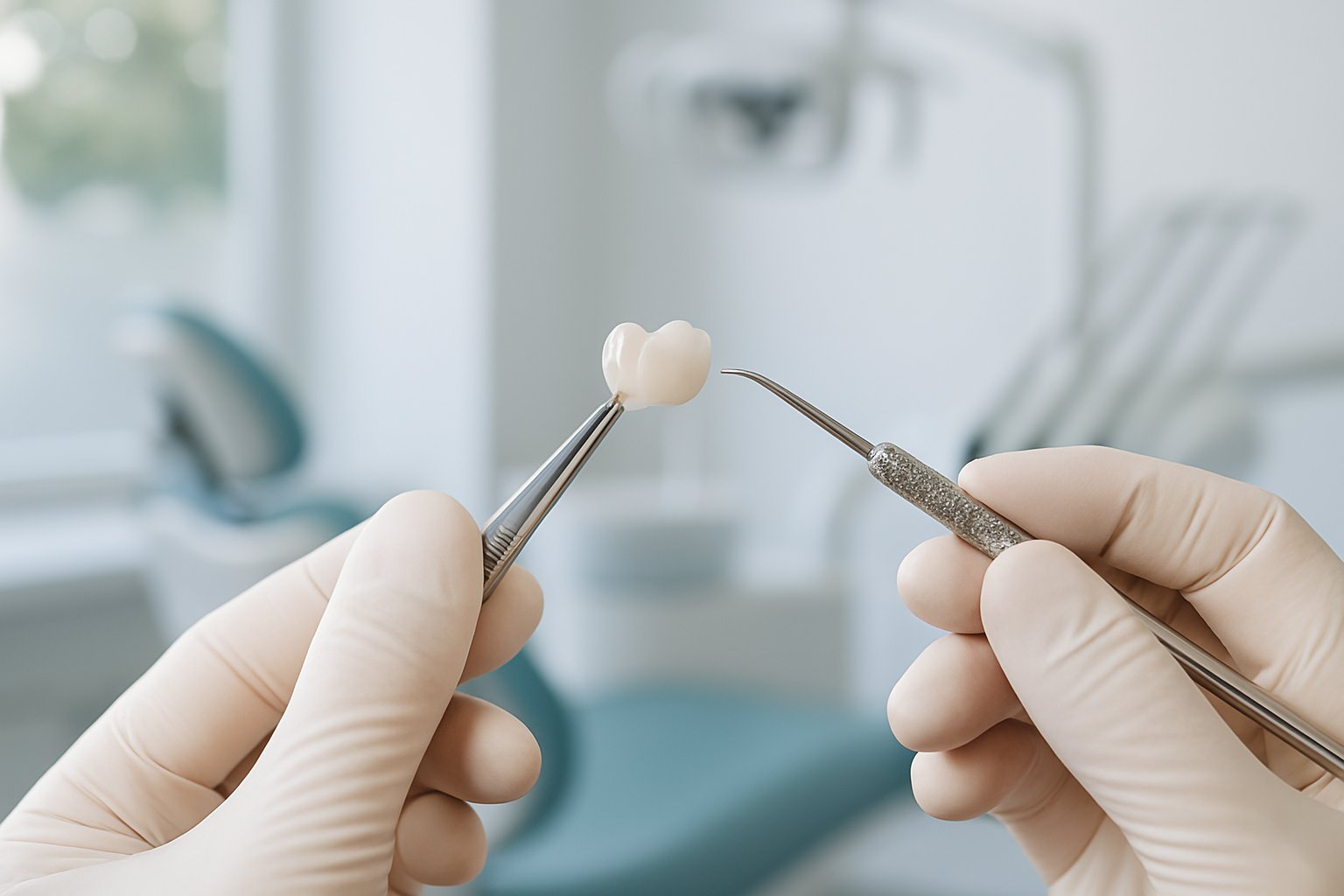
Zirconia crowns offer excellent strength and natural appearance while being safe for most patients. However, they can be more expensive than other options and may require special care during placement.
Durability and Longevity
Zirconia crowns are extremely strong dental restorations. They can withstand bite forces of up to 1,000 pounds per square inch. This makes them ideal for back teeth that do heavy chewing work.
These crowns rarely chip or crack under normal use. Studies show zirconia crowns can last 15-20 years with proper care. This is longer than most other crown materials.
For patients with bruxism (teeth grinding), zirconia crowns provide better protection than porcelain. The material resists wear from grinding and clenching. However, we still recommend a night guard to protect both the crown and natural teeth.
The smooth surface of zirconia also resists plaque buildup. This helps maintain good oral hygiene around the crown.
Biocompatibility and Safety
Zirconia has excellent biocompatibility with human tissue. The material does not cause allergic reactions or irritation in the mouth. This makes it safe for patients with metal allergies.
Unlike metal crowns, zirconia does not conduct heat or cold. Patients experience less tooth sensitivity after placement. The material also does not corrode or change over time in the mouth.
The American Dental Association recognizes zirconia as a safe material for dental crowns. Research shows no harmful effects from long-term use in restorative dentistry.
Zirconia crowns do not interfere with medical imaging like MRIs. This is helpful for patients who need frequent medical scans.
Aesthetics and Stain Resistance
Zirconia crowns look very similar to natural teeth. The material can be colored to match surrounding teeth perfectly. Light passes through zirconia like it does through natural tooth enamel.
These crowns do not show dark lines at the gum line. Metal crowns often create a gray shadow that becomes visible over time. Zirconia maintains its appearance even if gums recede slightly.
Stain resistance is another major benefit. Coffee, tea, wine, and tobacco do not discolor zirconia crowns. The smooth surface prevents stains from penetrating the material.
Zirconia crowns work well for both front and back teeth. They provide the strength needed for chewing while looking natural in visible areas.
Potential Drawbacks
Zirconia crowns cost more than traditional metal or porcelain-fused-to-metal options. The material and manufacturing process are more expensive. Insurance may not cover the full cost difference.
The hardness that makes zirconia durable can also cause problems. These crowns may wear down opposing natural teeth over time. This is less common with newer, softer zirconia formulations.
Tooth preparation requires removing more natural tooth structure than some other crown types. This makes the procedure irreversible and may weaken the remaining tooth.
Zirconia crowns are difficult to adjust after placement. Changes in bite or fit may require complete replacement rather than simple adjustments. This can add time and cost to treatment.
Some patients may experience increased wear on their natural teeth that bite against zirconia crowns.
Clinical Applications and Care
Zirconia crowns work well for many types of tooth damage and require specific care practices. Dentists recommend them for patients who grind their teeth and those who need strong dental restorations.
When Zirconia Crowns Are Recommended
We use zirconia crowns for teeth with large cavities or fractures. They work best on molars and premolars that need extra strength for chewing.
Dentists choose zirconia when patients have metal allergies. These crowns contain no metal, so they cause fewer allergic reactions than other options.
We recommend them for root canal teeth that need protection. The crown covers the entire tooth and prevents it from breaking.
Common situations include:
- Cracked or broken teeth
- Large fillings that have failed
- Teeth after root canal treatment
- Replacing old metal crowns
Suitability for Tooth Damage and Bruxism
Zirconia crowns handle heavy bite forces well. They resist cracking better than porcelain crowns when patients grind their teeth.
We often choose zirconia for patients with bruxism. The material stays strong even with constant grinding and clenching at night.
These crowns protect damaged teeth from further harm. They cover weak spots and distribute chewing forces evenly across the tooth.
Benefits for tooth damage:
- Strength: Handles up to 1,200 MPa of pressure
- Durability: Lasts 10-15 years with proper care
- Protection: Covers entire tooth surface
Oral Hygiene and Maintenance Tips
We tell patients to brush twice daily with fluoride toothpaste. Use a soft-bristled toothbrush to avoid scratching the crown surface.
Floss around the crown every day. Food particles can build up where the crown meets the gum line.
Avoid chewing ice, hard candy, or opening packages with your teeth. These actions can chip or crack even strong zirconia crowns.
Daily care routine:
- Brush for 2 minutes twice daily
- Floss around all crown edges
- Use antibacterial mouthwash
- Visit dentist every 6 months
We recommend night guards for patients who grind their teeth. This protects both the crown and surrounding natural teeth from damage.
Frequently Asked Questions
Many patients ask about how zirconia crowns compare to other materials and what to expect from the treatment. Cost, durability, and potential complications are common concerns when choosing this dental restoration option.
How does a zirconia crown compare to a porcelain crown in terms of durability?
Zirconia crowns are much stronger than traditional porcelain crowns. They can withstand bite forces up to 1,000 MPa, while porcelain crowns typically handle only 100-200 MPa.
Zirconia rarely chips or cracks during normal use. Porcelain crowns are more likely to break from hard foods or teeth grinding.
Both materials can last 10-15 years with proper care. However, zirconia crowns often last longer because of their superior strength.
What materials are used to craft a zirconia dental crown?
We use zirconium dioxide as the main material for zirconia crowns. This white ceramic material comes from the metal zirconium.
Some zirconia crowns have a porcelain layer on top for better appearance. The zirconia core provides strength while the porcelain adds natural tooth color.
Full zirconia crowns use only zirconium dioxide without any porcelain coating. These are the strongest option available.
Can zirconia crowns cause problems or complications after installation?
Most patients experience no major problems with zirconia crowns. The material is safe and works well with natural teeth and gums.
Some people may feel sensitivity to hot or cold foods for a few days after placement. This usually goes away on its own.
Rarely, patients may have allergic reactions to zirconia. We test for allergies before treatment if you have a history of metal sensitivities.
What are the potential disadvantages of choosing a zirconia crown?
Zirconia crowns cost more than traditional porcelain or metal crowns. The higher price comes from better materials and advanced manufacturing.
These crowns can be harder to remove if repairs become necessary. The strong bond with your tooth makes future dental work more challenging.
Some zirconia crowns may look less natural than porcelain ones. The material can appear more opaque than real teeth.
What is the average cost of a zirconia crown?
Zirconia crowns typically cost between $1,000 and $2,500 per tooth. The exact price depends on your location and dentist.
Insurance may cover part of the cost if the crown is medically necessary. We recommend checking with your insurance provider before treatment.
Additional costs may include tooth preparation, temporary crowns, and follow-up visits. These fees are usually separate from the crown price.
How do patients typically review their experience with zirconia crowns?
Most patients report high satisfaction with their zirconia crowns. They appreciate the strength and long-lasting results.
Many people like that zirconia crowns feel natural when biting and chewing. The smooth surface works well with surrounding teeth.
Some patients mention the higher cost as a concern. However, most feel the durability makes the investment worthwhile.