Many people with overbites wonder if they can fix their smile without traditional metal braces. Invisalign can successfully treat mild to moderate overbites using clear aligners that gradually move your teeth into proper position. This modern approach offers a more comfortable and discreet way to correct bite issues.
If you’re looking for Invisalign services in Woodland Hills, Dr. Alexander Visot is an experienced expert who has been perfecting smiles for many years. Schedule your free consultation today to see how he can help you achieve a straighter, more confident smile.
An overbite happens when your upper teeth overlap your lower teeth too much. This common dental problem affects both how your smile looks and how well your teeth work together. Without treatment, overbites can lead to jaw pain, tooth wear, and difficulty chewing.
Invisalign works differently than braces but can achieve similar results for many overbite cases. The clear plastic trays apply gentle pressure to shift your teeth over time. Your dentist will determine if Invisalign is right for your specific overbite based on how severe it is.
Key Takeaways
- Invisalign can fix mild to moderate overbites using clear, removable aligners
- Overbites cause both cosmetic concerns and functional problems if left untreated
- Treatment success depends on the severity of your overbite and following your dentist’s plan
Understanding Overbites and Their Impact
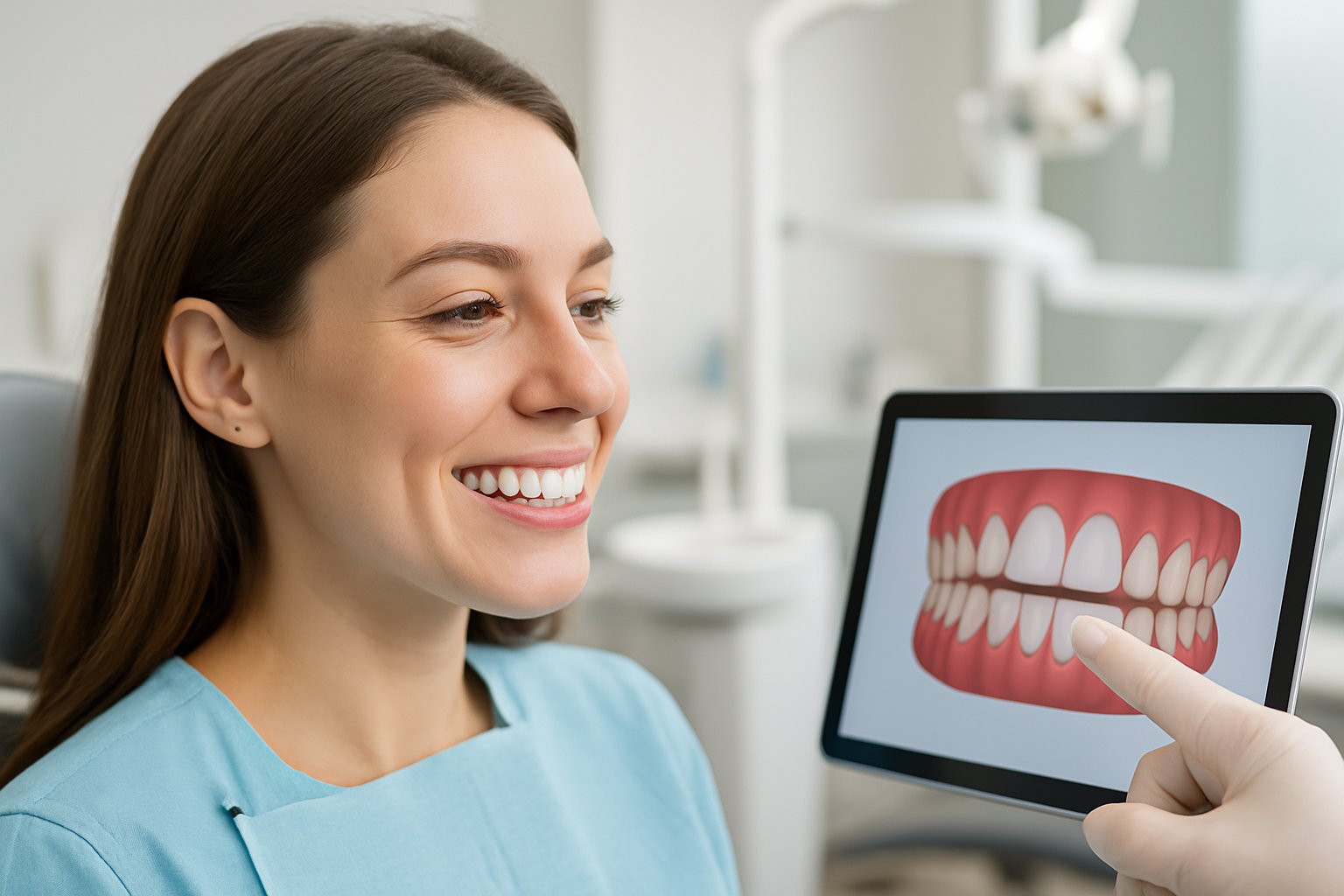
An overbite occurs when your upper teeth extend too far over your lower teeth, creating bite problems that can affect your oral health and daily life. This malocclusion ranges from slight to severe and can cause jaw pain, tooth wear, and speech issues.
What Is an Overbite?
An overbite is a type of malocclusion where your upper front teeth overlap your lower front teeth more than normal. In a healthy bite, your upper teeth should slightly overlap your lower teeth by about 2-3 millimeters.
When this overlap becomes excessive, you have an overbite. Your dentist measures overbites as a percentage of how much your upper teeth cover your lower teeth.
A slight overbite covers 30-50% of your lower teeth. A deep overbite covers more than 50% of your lower teeth and represents a more serious bite problem.
Types of Overbites
There are two main types of overbites based on what causes them:
Dental Overbites happen when your teeth are positioned incorrectly. Your jaw bones are normal, but your teeth tilt forward or backward from their proper positions.
Skeletal Overbites occur when your jaw bones don’t align properly. Your upper jaw may be too large, or your lower jaw may be too small or positioned too far back.
Skeletal overbites are harder to treat than dental overbites. They often require more intensive treatment to correct the jaw alignment issues.
Why Fixing an Overbite Matters
Untreated overbites can cause several health and social problems that get worse over time.
Physical Problems:
- Jaw pain and TMJ disorders
- Excessive tooth wear and tear on your back teeth
- Difficulty chewing certain foods
- Speech problems or lisping
- Increased risk of tooth damage from grinding
Oral Health Issues: Your overbite makes it harder to clean your teeth properly. This leads to more cavities and gum disease. The abnormal bite also puts extra pressure on specific teeth.
Confidence and Social Impact: Many people feel self-conscious about their smile when they have a noticeable overbite. Fixing bite problems often helps you feel more confident in social situations.
Early treatment prevents these problems from getting worse. It also makes treatment easier and more effective than waiting until the overbite becomes severe.
Can Invisalign Fix Overbites?
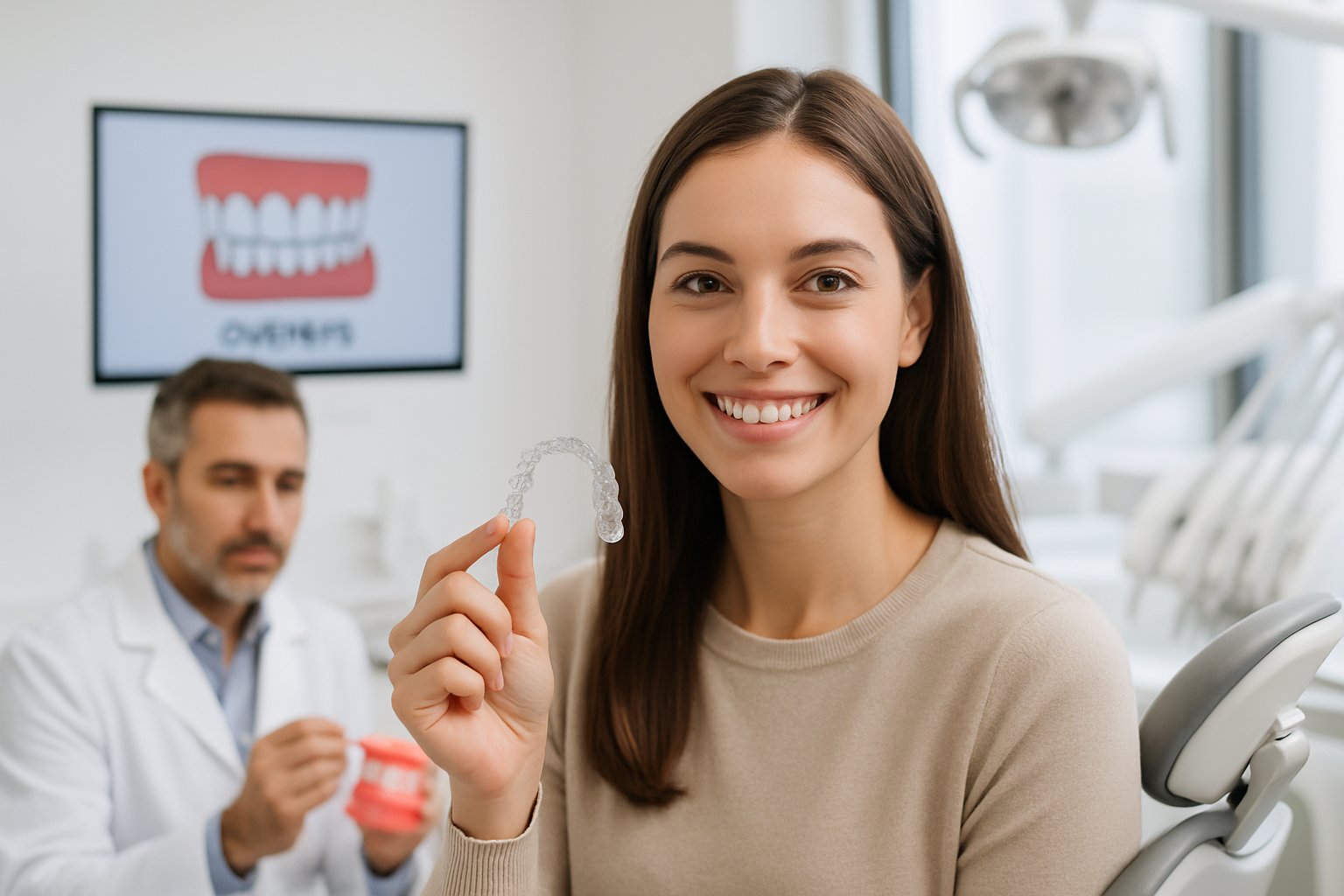
Invisalign can effectively treat mild to moderate overbites through custom aligners, but severe cases may require traditional braces or additional treatments. Your treatment success depends on the complexity of your overbite and your commitment to wearing the aligners.
Suitability of Invisalign for Different Overbite Severities
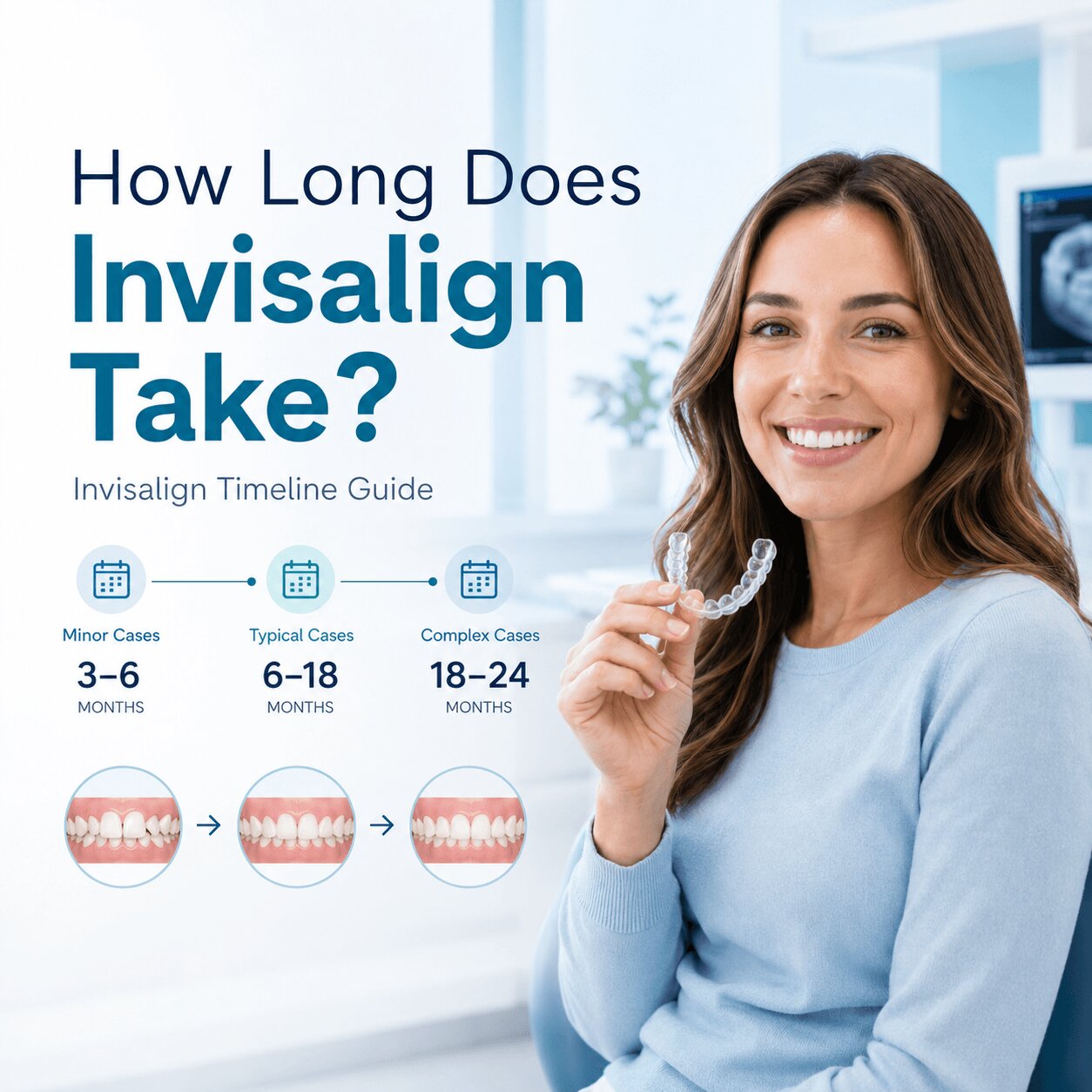
Mild overbites respond well to Invisalign treatment. Your custom aligners can gradually shift your teeth into proper alignment over 12-18 months.
Moderate overbites are also good candidates for clear aligners. Your orthodontist may use attachments or elastics to enhance tooth movement. Treatment typically takes 18-24 months.
Severe overbites present more challenges for Invisalign. Your case may require:
- Metal braces instead
- Jaw surgery combined with aligners
- Extended treatment time of 2-3 years
Your orthodontist will use digital scans to determine if Invisalign suits your specific overbite. Cases involving significant jaw misalignment often need traditional braces for better control.
Overbite Correction Process with Invisalign
Your treatment begins with digital scans of your teeth. Your orthodontist creates a custom treatment plan showing how your overbite will improve.
You’ll receive a series of clear aligners designed specifically for your teeth. Each set moves your teeth gradually toward the correct position.
Key treatment components include:
- Custom aligners worn 20-22 hours daily
- Attachments bonded to teeth for better grip
- Elastics to correct bite alignment
- Regular check-ups every 6-8 weeks
You’ll switch to new aligners every 1-2 weeks. Your overbite correction happens as your upper teeth move backward and lower teeth shift forward.
Limitations and Complex Cases
Invisalign cannot fix all overbite problems. Your treatment may have limitations if you have:
- Severe jaw skeletal issues
- Significant tooth rotations
- Large gaps requiring major movement
- Poor compliance with wearing aligners
Complex cases often require:
- Traditional metal braces
- Jaw surgery before orthodontic treatment
- Combination therapy using both braces and aligners
Your orthodontist will recommend the best overbite treatment based on your specific needs. Braces for overbite correction may provide better results than Invisalign aligners in complicated situations.
Treatment Process and What to Expect
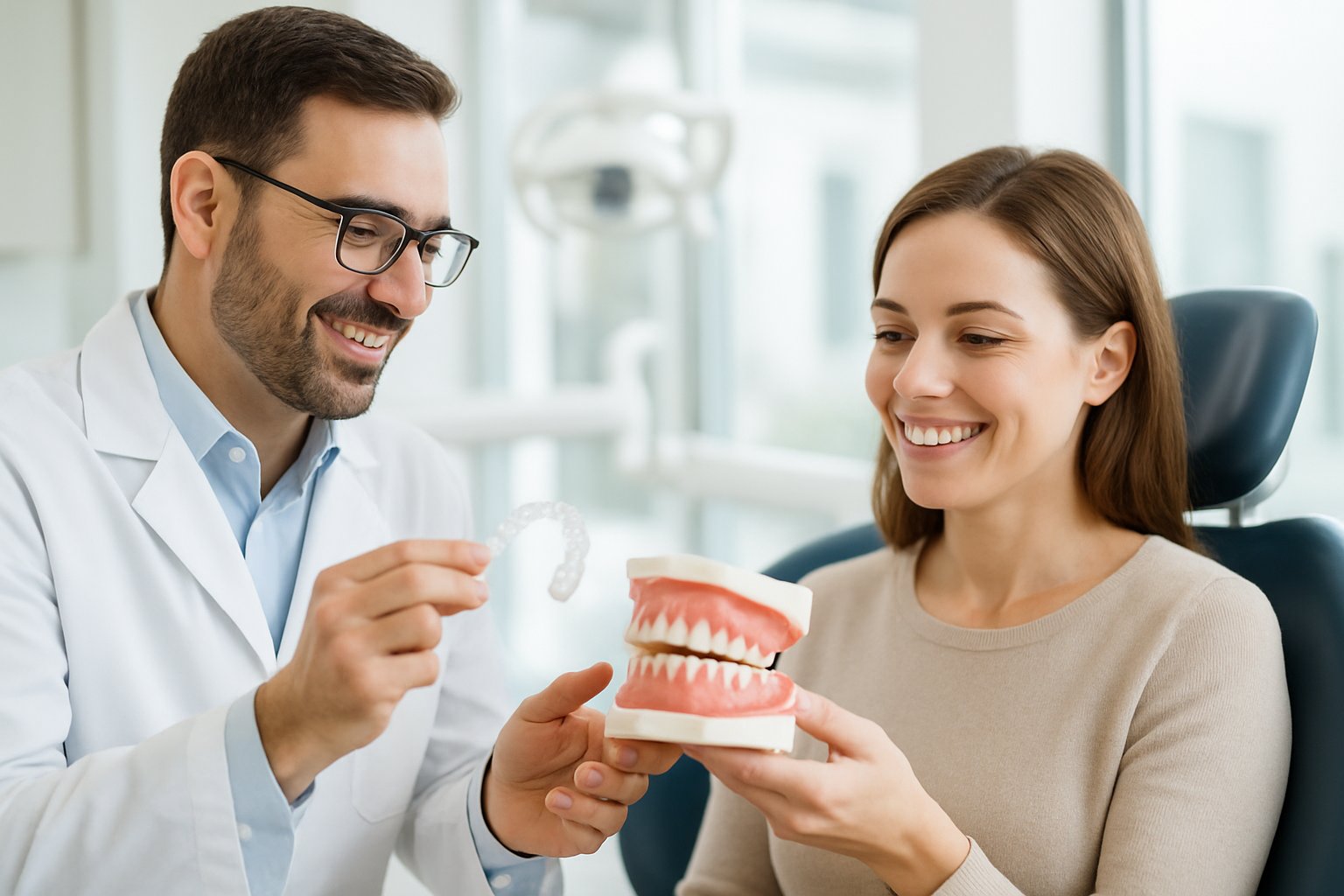
Getting Invisalign treatment for your overbite involves three main steps. Your orthodontist will create a custom treatment plan using digital scans and monitor your progress throughout the process.
Initial Consultation and Assessment
Your orthodontist will examine your teeth and jaw during your first visit. They take digital scans of your mouth instead of messy impressions. These scans create a 3D model of your teeth.
The orthodontist uses this model to plan your treatment. They show you how your teeth will move over time. You can see what your smile will look like after treatment.
Your treatment plan includes the number of aligners you need. Most overbite cases take 12 to 24 months to fix. Complex cases may take longer.
The orthodontist explains if you need attachments or elastics. Attachments are small tooth-colored bumps glued to your teeth. They help aligners grip better and move teeth more effectively.
Custom Aligner Creation and Fitting
Your custom aligners are made from your digital scans. Each set moves your teeth a small amount. You get several sets at once.
Your orthodontist shows you how to put in and take out your aligners. They check that each aligner fits properly. The first aligner might feel tight, but this is normal.
You receive your first few sets of Invisalign aligners. Your orthodontist gives you a case to store them safely. They explain how to clean your aligners properly.
If your treatment plan includes attachments, they put them on during this visit. The orthodontist may also give you elastics to wear with certain aligners.
Wearing Aligners and Monitoring Progress
You wear each set of aligners for 1 to 2 weeks. Most people change them every week. You must wear them 20 to 22 hours each day.
Take your aligners out only to eat, drink, brush, and floss. Put them back in right after eating. Clean your teeth before putting aligners back in.
You visit your orthodontist every 6 to 8 weeks. They check your progress and give you new aligners. These visits usually take 15 to 30 minutes.
Your orthodontist may adjust your treatment plan if needed. Some teeth move faster or slower than expected. They can order new aligners to fix any issues.
Track your progress with photos or the Invisalign app. You will see small changes every few weeks. Your overbite gets better gradually throughout your Invisalign treatment.
Benefits, Aftercare, and Comparisons
Invisalign offers clear advantages over traditional metal braces while requiring specific care routines. Proper oral hygiene during treatment and using retainers after completion help ensure your confident smile lasts permanently.
Advantages of Invisalign Over Traditional Braces
Invisalign aligners are nearly invisible when you wear them. People often won’t notice you’re straightening your teeth and fixing your overbite.
You can remove the aligners when eating. This means no food restrictions like you have with metal braces. You don’t need to avoid sticky or hard foods.
Key Benefits:
- Remove aligners for eating and drinking
- Brush and floss normally
- No metal brackets or wires
- Fewer emergency visits for broken parts
Traditional braces stay on your teeth 24/7. Food gets stuck in metal brackets and wires easily. This makes cleaning harder and can cause tooth decay.
Invisalign treatment typically causes less mouth pain. The smooth plastic doesn’t cut your cheeks like metal braces can. You change to new aligners every 1-2 weeks instead of monthly wire adjustments.
Oral Hygiene and Lifestyle During Treatment
Your oral health stays better with Invisalign aligners than metal braces. You brush and floss exactly like normal after removing the aligners.
Clean your aligners twice daily with lukewarm water and gentle soap. Avoid hot water because it can warp the plastic. Use a soft toothbrush to scrub away bacteria buildup.
Daily Care Routine:
- Remove aligners before eating
- Brush teeth after meals
- Floss daily
- Clean aligners with soap and water
- Put aligners back in clean
You must wear aligners 20-22 hours per day. Only remove them for eating, drinking anything except water, and cleaning your teeth. Less wear time means longer Invisalign treatment.
Some people develop a slight lisp during the first few days. This goes away as your tongue adjusts to the aligners.
Ensuring Permanent Overbite Correction
Your overbite can shift back without proper retention. Wearing retainers after Invisalign treatment keeps your teeth in their new positions permanently.
Most patients get clear plastic retainers that look similar to aligners. You wear them full-time for the first 3-6 months. Then you switch to nighttime wear only.
Retention Schedule:
- Months 1-6: Wear retainers 22 hours daily
- After 6 months: Wear retainers every night
- Long-term: Continue nightly wear indefinitely
Some people get permanent wire retainers bonded behind their front teeth. These thin wires stay in place for years without removal. They provide extra security against overbite relapse.
Your confident smile depends on following retention instructions exactly. Teeth naturally want to move back to old positions throughout your lifetime. Consistent retainer wear prevents this movement and protects your investment in straight teeth.
Frequently Asked Questions
Invisalign can treat mild to moderate overbites but has limits with severe cases. Adults can use Invisalign successfully, though treatment may take longer than it would for teens.
What types of overbite can be treated successfully with Invisalign?
Invisalign works best for mild to moderate overbites. These cases involve front teeth that stick out 2-4 millimeters past the bottom teeth.
Your treatment success depends on whether your overbite comes from tooth position or jaw size. Invisalign moves teeth effectively but cannot change jaw bone structure.
Severe overbites often need traditional braces or surgery. Your dentist will measure your overbite to determine if Invisalign is right for you.
Is Invisalign a viable solution for correcting overbites in adults?
Adults can use Invisalign to fix overbites. Your teeth can move at any age, though the process takes longer than it does in teens.
Adult treatment typically lasts 12-24 months. You need to wear your aligners 20-22 hours each day for best results.
Your bone density affects how quickly teeth move. Adult bones are denser than teen bones, which slows the movement process.
How does Invisalign approach the correction of jaw alignment issues?
Invisalign focuses on moving teeth rather than changing jaw position. The aligners apply gentle pressure to shift your teeth into better alignment.
Some jaw issues improve when teeth move into correct positions. Your bite naturally adjusts as your teeth straighten.
Severe jaw problems need different treatments. Invisalign cannot fix major jaw bone irregularities or growth issues.
Can overbites caused by habits like thumbsucking be corrected with Invisalign?
Invisalign can fix overbites from childhood thumb sucking if you stopped the habit. The aligners move your teeth back to normal positions.
You must break the habit completely before starting treatment. Continued thumb sucking will prevent your teeth from moving properly.
Treatment works best when habits stopped years ago. Recent habit changes may need more time before Invisalign becomes effective.
Are there any Invisalign treatment options for crossbite and underbite conditions?
Invisalign treats mild crossbites by moving teeth into proper alignment. The aligners can widen your upper arch or adjust individual tooth positions.
Mild underbites respond well to Invisalign treatment. Your lower teeth move backward while upper teeth may move forward slightly.
Severe crossbites and underbites need traditional braces or surgery. Your orthodontist will assess whether Invisalign can handle your specific case.
Does Invisalign require the use of rubber bands to correct overbites?
Some Invisalign cases need rubber bands called elastics. These bands connect your upper and lower aligners to apply extra pressure.
Your orthodontist determines if you need elastics based on your overbite severity. Mild cases often work without bands.
You must wear elastics as directed for successful treatment. Most patients need them for only part of their total treatment time.