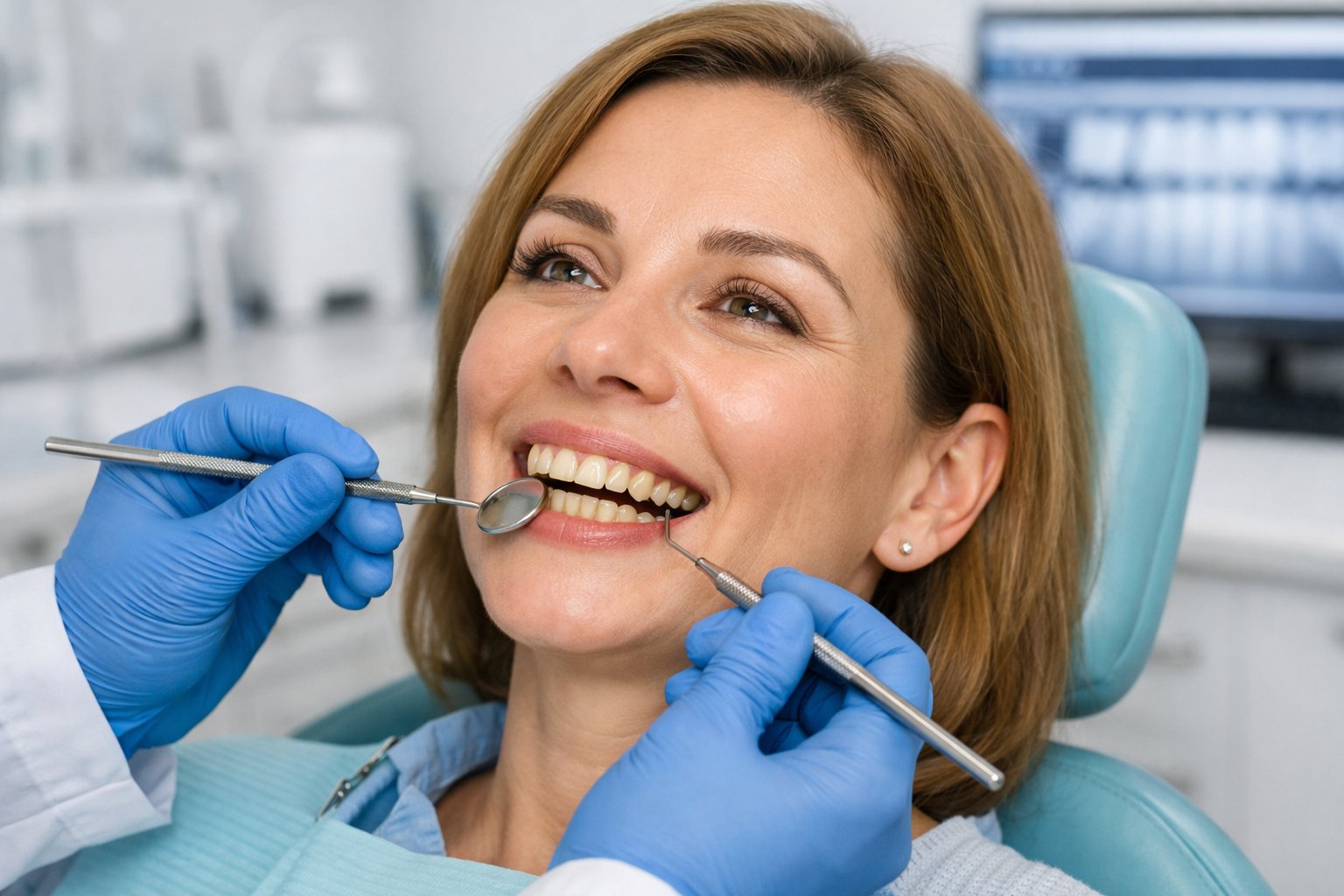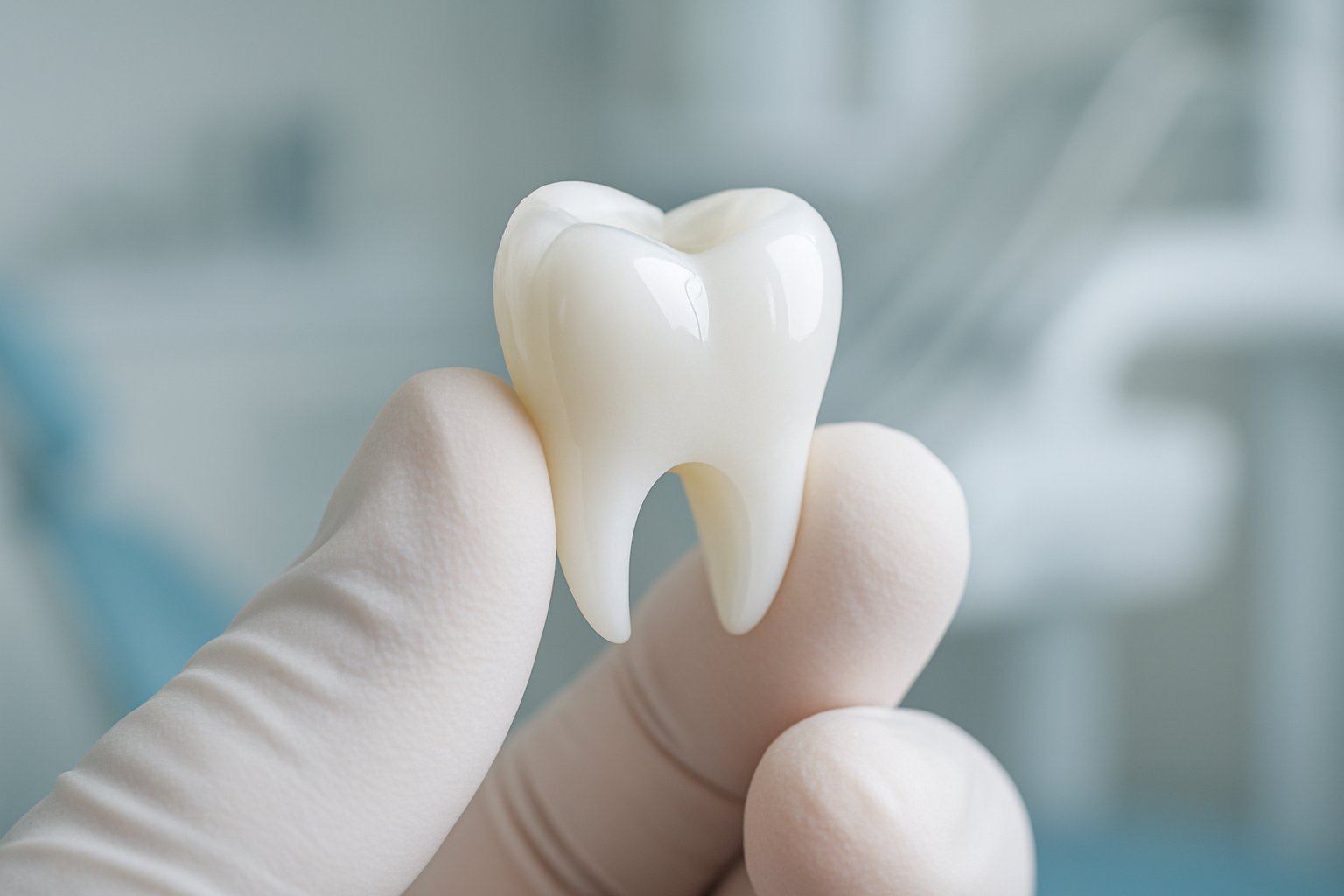

🔍 Why Wisdom Teeth Can Become a Problem
Wisdom teeth—third molars—often erupt in late teens or early twenties, but modern jaw size and alignment leave insufficient room for them. This can cause impaction, infections, and long-term bite issues. Ignoring the early warning signs often leads to more complex, painful, and costly surgery later.
⚠️ Professional Signs You Need Wisdom Teeth Removal
1️⃣ Jaw Pain That Worsens Over Time
-
What It Means: Gradual, localized pain at the back of the jaw may indicate that the tooth is pushing against other molars or is trapped under the gum.
-
Professional Insight: Chronic pain signals that the tooth is causing bone pressure or nerve irritation, requiring prompt removal to avoid permanent nerve damage.
2️⃣ Gum Swelling & Redness Behind Molars
-
What It Means: Localized gum inflammation at the eruption site is often caused by partial eruption, where bacteria get trapped under the gum flap.
-
Professional Insight: Left untreated, this can escalate to pericoronitis — a serious infection that may spread beyond the mouth.
3️⃣ Unexplained Bad Breath or Persistent Bad Taste
-
What It Means: Decay or infection around partially erupted wisdom teeth traps bacteria.
-
Professional Insight: Chronic halitosis caused by impacted teeth won’t resolve with mouthwash; surgical removal eliminates the bacterial source.
4️⃣ Shifting or Crowding of Teeth
-
What It Means: Pressure from erupting wisdom teeth can push nearby teeth out of alignment.
-
Professional Insight: This is especially critical for patients who have had orthodontic treatment — wisdom teeth can undo years of orthodontic work if left in place.
5️⃣ Recurring Infections or Abscesses
-
What It Means: Repeated flare-ups at the back of the mouth indicate deep-seated infection.
-
Professional Insight: Early surgical intervention prevents spread to jawbone or bloodstream.
6️⃣ Cyst or Tumor Formation on Dental X-rays
-
What It Means: Wisdom teeth can develop fluid-filled cysts around their crowns.
-
Professional Insight: These cysts can destroy jawbone and damage nearby teeth — a silent but serious reason for proactive removal.
📅 The Ideal Timing for Removal
-
Ages 17–25: Roots are not fully formed, making extraction faster and healing smoother.
-
Before Orthodontics: Prevents post-treatment relapse.
-
Before Infection: Reduces surgical risks and recovery time.
🔬 The Surgical Process – Professional Overview
-
CBCT Imaging: 3D imaging to assess nerve position, root structure, and bone density.
-
Sedation Selection: IV sedation for anxious patients, local anesthesia for minor extractions.
-
Minimally Invasive Access: Microsurgical instruments to preserve bone and tissue.
-
Sectioning & Removal: Tooth divided into segments to minimize trauma.
-
Site Debridement: Removal of infection or cyst lining before closure.
-
Resorbable Sutures: No need for suture removal visits.
🩺 Recovery & Aftercare – Expert Recommendations
-
48 Hours: Ice packs, soft diet, and anti-inflammatory medication.
-
72 Hours: Begin gentle saltwater rinses.
-
1 Week: Normal diet can resume for most patients.
-
Follow-Up: Imaging if cyst removal was involved.
🏆 Why Woodland Hills Patients Trust Dr. Alexander Visot
-
Over 20 Years of oral surgery expertise.
-
State-of-the-Art Imaging for safer, faster procedures.
-
Custom Sedation Plans for every comfort level.
-
High Success Rate with minimal post-op complications.
📞 Take Action Early
If you’re noticing these signs, schedule a consultation at Dentist of Woodland Hills. Early diagnosis saves time, money, and discomfort.
Call now: (818)-225-7768
Visit: www.dentistofwoodlandhills.com