
Your mouth gives you clear signals when it’s time for a professional teeth cleaning. Many people ignore these warning signs until they develop serious dental problems. Learning to recognize these signs early can save you from pain, expensive treatments, and tooth loss.
The most common signs you need a teeth cleaning include bleeding gums, bad breath that won’t go away, visible tartar buildup, and gums that look red or swollen. These symptoms mean bacteria and plaque have built up beyond what your toothbrush can handle. Your body is telling you it needs professional help.
Regular dental cleanings do more than just make your smile look better. They protect you from gum disease, cavities, and other health problems that start in your mouth. This article will help you understand what to watch for and when to schedule your next appointment.
Key Takeaways
- Bleeding gums, persistent bad breath, and visible tartar are clear signs you need professional cleaning
- Professional cleanings prevent gum disease and catch dental problems before they become serious
- Most people should get their teeth cleaned every six months, but some may need more frequent visits
Recognizing the Signs You Need a Teeth Cleaning

Your mouth gives clear signals when it’s time for a professional cleaning. These signs range from bad breath that won’t go away to visible buildup on your teeth and changes in your gums.
Persistent Bad Breath or Halitosis
Bad breath that doesn’t go away after brushing is often a sign you need a dental cleaning. This persistent bad breath, called halitosis, happens when bacteria build up in hard-to-reach areas of your mouth.
Regular brushing and flossing might not remove all the bacteria hiding between your teeth and under your gum line. When bacteria accumulate, they produce sulfur compounds that cause unpleasant odors.
If you notice your breath smells bad even after good oral hygiene habits, it’s a warning sign. Mouthwash and mints only mask the problem temporarily. A professional cleaning removes the bacterial buildup that causes halitosis and helps restore fresh breath.
Visible Plaque or Tartar Buildup
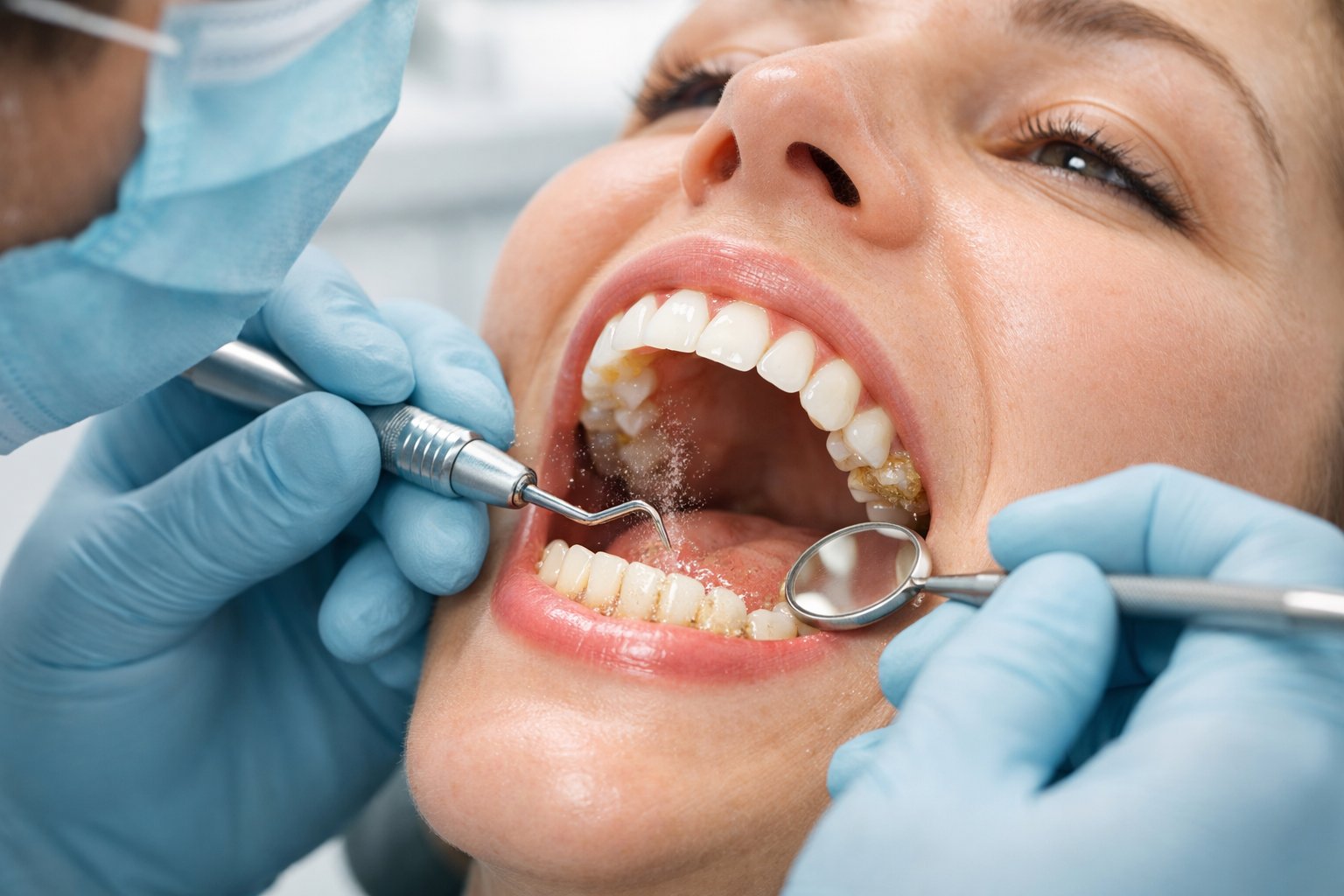
Plaque is a sticky, colorless film of bacteria that forms on your teeth throughout the day. When plaque isn’t removed, it hardens into tartar, which appears as yellow or brown deposits along your gum line.
You can often see tartar buildup on the inner surfaces of your lower front teeth or the outer surfaces of your upper back teeth. Unlike plaque, tartar cannot be removed with regular brushing or flossing.
Common signs of plaque and tartar buildup include:
- Yellow or brown staining near the gums
- Rough or fuzzy feeling on tooth surfaces
- A thick line of discoloration at the gum line
- Difficulty flossing between certain teeth
Only a dental professional can safely remove tartar buildup with special tools.
Bleeding or Swollen Gums
Healthy gums should be firm and pink, not bleeding or swollen. If you notice blood when brushing or flossing, this is a sign of gum disease and indicates you need a cleaning.
Swollen gums appear puffy and red instead of their normal pink color. Tender gums that hurt when you touch them or eat are also warning signs. These symptoms mean bacteria and tartar have irritated your gum tissue.
Bleeding gums are often the first sign of gingivitis, the earliest stage of gum disease. Getting a professional cleaning can remove the buildup causing inflammation and help your gums heal. Ignoring these signs of gum disease can lead to more serious oral health problems.
Sudden Tooth Sensitivity
Tooth sensitivity that develops suddenly often means you need a dental cleaning. You might feel sharp pain when eating hot, cold, sweet, or acidic foods and drinks.
Sensitive teeth can result from tartar buildup pushing your gums away from your teeth. This exposes the tooth roots, which don’t have protective enamel covering them. The exposed areas react to temperature changes and certain foods.
Tartar accumulation can also cause your gums to recede, creating pockets where bacteria collect. A professional cleaning removes these deposits and can reduce sensitivity. Your dentist can also identify if other factors are contributing to your tooth sensitivity during your appointment.
Underlying Dental Issues That Require Professional Cleaning
Some dental problems develop slowly and need a dentist’s help to fix. Plaque buildup below the gum line can lead to gum disease, cavities, and even loose teeth if left untreated.
Early Signs of Gum Disease and Gingivitis
Gingivitis is the first stage of gum disease. Your gums may look red and swollen instead of their normal pink color.
You might notice bleeding when you brush or floss your teeth. This happens because plaque irritates your gum tissue.
Bad breath that won’t go away is another common sign. The bacteria in plaque produce odors that regular brushing can’t eliminate.
If you catch gingivitis early, a professional cleaning can reverse it. Your dentist or hygienist will remove plaque and tartar that your toothbrush can’t reach. Without treatment, gingivitis can progress to periodontitis, a more serious form of periodontal disease.
Periodontitis damages the bone that supports your teeth. This condition requires more intensive cleaning procedures to stop the damage.
Plaque and Tartar Impact on Cavities
Tartar forms when plaque hardens on your teeth. You cannot remove tartar with regular brushing or flossing.
This hardened buildup creates a rough surface where more bacteria can gather. The bacteria produce acids that eat away at your tooth enamel.
Enamel erosion leads to tooth decay and cavities. Once cavities form, they don’t heal on their own.
Small cavities need fillings to prevent further damage. Deeper cavities that reach the tooth’s inner pulp may require a root canal.
Professional cleanings remove tartar before it causes serious decay. Your dental hygienist uses special tools to scrape away these deposits. Regular cleanings help protect your enamel and prevent cavities from developing.
Gum Recession and Loose Teeth
Gum recession occurs when your gum tissue pulls away from your teeth. This exposes the tooth roots, which don’t have protective enamel.
You may notice your teeth look longer than they used to. Exposed roots can feel sensitive to hot and cold temperatures.
Tartar buildup below the gum line is a major cause of recession. The bacteria in this buildup cause inflammation that destroys gum tissue and bone.
As the bone deteriorates, your teeth may become loose. Loose teeth are a sign of advanced periodontal disease that needs immediate attention.
Deep cleanings can remove bacteria from below the gum line. These procedures help stop gum recession and bone loss before you lose teeth permanently.
When and Why to Schedule a Professional Teeth Cleaning

Most adults need a dental cleaning every six months, though some people require more frequent visits based on their oral health needs. Regular dental cleanings prevent gum disease and tooth decay while deep cleanings treat existing problems below the gum line.
How Often to Get a Dental Cleaning
You should schedule a professional dental cleaning every six months. This twice-yearly schedule works well for most people with healthy gums and teeth.
Your dentist might recommend more frequent visits if you have certain risk factors. People with gum disease, diabetes, or a history of cavities often need cleanings every three to four months. Smokers and pregnant women may also benefit from more regular dental cleanings.
Some people with excellent oral health might only need one cleaning per year. Your dentist will tell you what schedule works best for your situation. They base this decision on your dental exam results and health history.
Benefits of Regular and Deep Cleanings
Regular dental cleanings remove plaque and tartar that brushing and flossing miss. These cleanings prevent cavities, gum disease, and bad breath. They also help you keep your natural teeth for life.
A standard cleaning focuses on surfaces above the gum line. The hygienist polishes your teeth and may apply a fluoride treatment to strengthen enamel.
Deep cleaning involves scaling and root planing when you have gum disease. Scaling removes tartar from below the gum line. Root planing smooths tooth roots so gums can reattach properly.
Key differences between cleaning types:
| Regular Cleaning | Deep Cleaning |
|---|---|
| Removes surface buildup | Treats below gum line |
| Prevents disease | Treats existing gum disease |
| Takes 30-60 minutes | May require multiple visits |
| Usually no numbing needed | Often uses local anesthesia |
What to Expect During a Cleaning Appointment
Your dental appointment starts with an exam. The dentist or hygienist checks your teeth and gums for problems. They measure pocket depths around your teeth to check for gum disease.
The hygienist uses special tools to scrape away tartar. You’ll hear scraping sounds and feel pressure, but it shouldn’t hurt. They use an ultrasonic tool or hand instruments for this scaling process.
Next comes polishing with a gritty paste. This removes surface stains and makes your teeth smooth. The hygienist flosses between all your teeth to remove any remaining debris.
Your dentist might apply a fluoride treatment at the end. This strengthens your enamel and helps prevent cavities. The whole process typically takes 30 to 60 minutes for a routine cleaning.
Maintaining Oral Health Between Dental Appointments
Good oral care at home helps you avoid gum disease and keeps your teeth clean between professional visits. Proper brushing and flossing, combined with smart product choices and diet habits, support healthy gums and reduce plaque buildup.
Brushing and Flossing Effectively
You should brush your teeth twice a day for two minutes each time. Hold your toothbrush at a 45-degree angle to your gums and use gentle, circular motions.
Replace your toothbrush every three to four months or sooner if the bristles look worn. Worn bristles don’t clean your teeth as well and can miss plaque along the gum line.
Flossing removes plaque and food particles from between your teeth where your toothbrush can’t reach. You need to floss daily to prevent gum disease and cavities between teeth. Slide the floss gently between each tooth and curve it around the base of each tooth in a C-shape.
Don’t skip the back teeth when brushing and flossing. These areas collect more food debris and are harder to reach, making them more prone to problems.
Using Mouthwash and Fluoride Toothpaste
Fluoride toothpaste strengthens your tooth enamel and helps prevent decay. Use a pea-sized amount when you brush.
An antimicrobial mouthwash can reduce bacteria in your mouth and help prevent gum disease. Rinse for 30 seconds after brushing and flossing, but don’t rinse with water afterward so the active ingredients can keep working.
Some mouthwashes also contain fluoride for extra protection. Look for products with the American Dental Association Seal of Acceptance to make sure they’re safe and effective.
Mouthwash doesn’t replace brushing and flossing. It’s an additional tool that reaches areas you might miss with your toothbrush.
Diet and Lifestyle Tips for Gum and Tooth Health
Limit sugary and acidic foods and drinks, which create an environment where bacteria thrive. When you do consume them, rinse your mouth with water afterward.
Drinking water throughout the day supports saliva production, which naturally cleans your mouth and neutralizes acids. Saliva also helps prevent dry mouth, which increases your risk of cavities and gum problems.
Crunchy fruits and vegetables like apples and carrots can help remove surface stains and stimulate your gums. Dairy products like cheese and yogurt provide calcium that strengthens your teeth.
Avoid smoking and tobacco products, which stain your teeth and significantly increase your risk of gum disease. If you grind your teeth at night, ask your dentist about a night guard to protect your enamel.
Frequently Asked Questions
Knowing when you need a teeth cleaning involves recognizing physical signs like plaque buildup, symptoms such as bleeding gums, and understanding proper dental care schedules. These questions address the specific indicators that signal it’s time to visit your dentist.
How can you detect early signs of plaque and tartar buildup?
You can feel plaque as a fuzzy or rough coating on your teeth, especially along the gum line and between teeth. When you run your tongue over your teeth, they should feel smooth and clean. If they feel rough or sticky, plaque has accumulated.
Tartar appears as a yellow or brown crusty deposit that forms along your gum line. You might notice it most easily on your lower front teeth or the inside surfaces. Unlike plaque, tartar feels hard and cannot be removed by brushing alone.
What symptoms indicate that a professional dental cleaning might be necessary?
Bleeding gums when you brush or floss signal inflammation caused by plaque buildup. Your gums may also appear red and swollen instead of their normal pink color. These symptoms mean bacteria have irritated your gum tissue.
Sensitive teeth can indicate exposed roots from gum recession due to tartar buildup. You might feel pain when eating hot, cold, or sweet foods. Loose teeth or teeth that shift position also require immediate professional attention.
What are common indicators of poor oral hygiene that suggest a dental cleaning is due?
Visible food particles stuck between your teeth throughout the day show inadequate cleaning. White or yellow film coating your teeth indicates plaque accumulation. Dark spots or stains on tooth surfaces may signal tartar deposits or early decay.
Your gums pulling away from your teeth creates pockets where bacteria collect. You might notice gaps forming between your gums and teeth. Bad taste in your mouth that doesn’t go away after brushing suggests bacterial growth.
How often should routine dental check-ups occur to maintain good oral health?
Most people need professional cleanings every six months. Your dentist examines your teeth and removes plaque and tartar during these visits. This schedule prevents most dental problems from developing.
Some people require cleanings every three to four months. You may need more frequent visits if you have gum disease, diabetes, or smoke. Your dentist will recommend a schedule based on your individual oral health needs.
Can persistent bad breath be a sign that a dental cleaning is needed?
Chronic bad breath that doesn’t improve with brushing often indicates bacterial buildup on your teeth and gums. The bacteria release sulfur compounds that create unpleasant odors. Regular mouthwash only masks the smell temporarily without addressing the underlying cause.
Bad breath that persists despite good oral hygiene habits suggests tartar accumulation below the gum line. Only professional cleaning can remove this buildup. The odor may also come from tongue coating that harbors bacteria.
What are the typical warning signals that may imply you’re overdue for a dental cleaning?
Heavy tartar deposits visible on multiple teeth show you’ve missed regular cleanings. Your teeth may look discolored or stained despite brushing. The buildup typically appears worst on your lower front teeth and back molars.
Gums that bleed easily or hurt during normal activities indicate advanced plaque buildup. You might notice pus between your teeth and gums. Teeth feeling loose or painful when chewing mean the supporting structures need immediate professional care.