If your dentist has told you that a tooth needs a crown, the first question on your mind is probably not about materials or lab work. It is usually much simpler: is this going to hurt? It is one of the most searched questions about dental crowns, and the honest answer is more reassuring than most people expect.
Getting a dental crown should not hurt during the procedure itself, because the tooth and surrounding gum are fully numbed before any work begins. What most patients actually experience is a couple of hours of pressure and vibration at the first visit, followed by a few days of mild sensitivity while the tooth settles. Understanding what happens at each step, and what normal recovery feels like, takes most of the anxiety out of the experience.
This guide walks through the crown procedure the way it actually unfolds in the chair, what you will feel during and after each visit, the difference between normal sensitivity and a problem that deserves a call to the office, and how Dr. Alexander Visot keeps crown appointments comfortable for patients in Woodland Hills.
What Actually Happens During A Crown Procedure
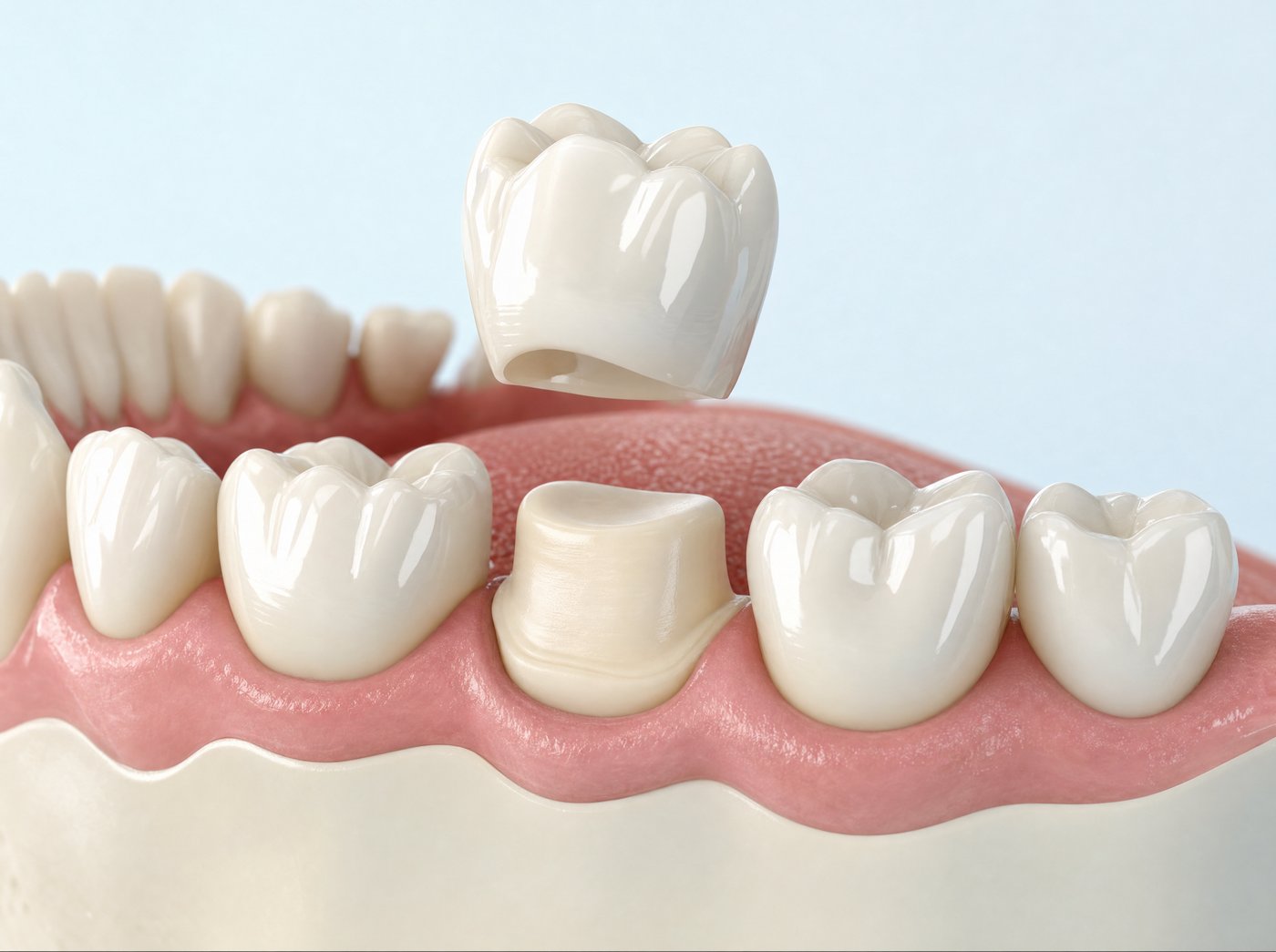
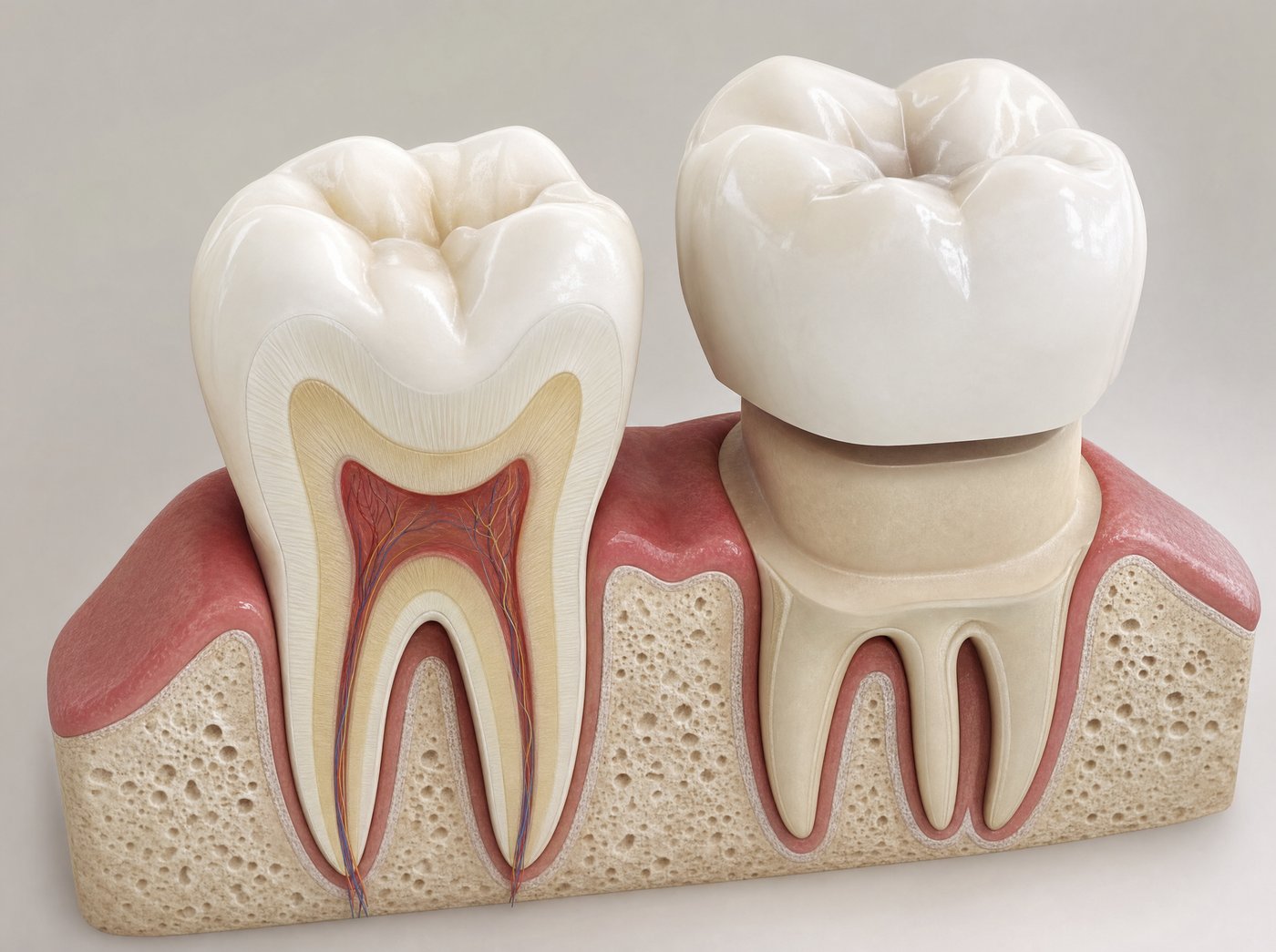
A crown is a custom cap that covers the entire visible portion of a tooth, restoring its shape and strength after damage or decay. Placing one is a precise but routine restorative procedure, and it typically happens over two visits.
Numbing comes first, and it is thorough
Before anything touches the tooth, the area is numbed with local anesthetic. Modern anesthetics are fast and reliable, and your dentist will test the area before starting. The injection itself is the only part most patients feel, a brief pinch that fades within seconds. Many offices also use a numbing gel on the gum first so even that pinch is softened. If you have ever had a filling, the numbing experience is identical.
Reshaping the tooth
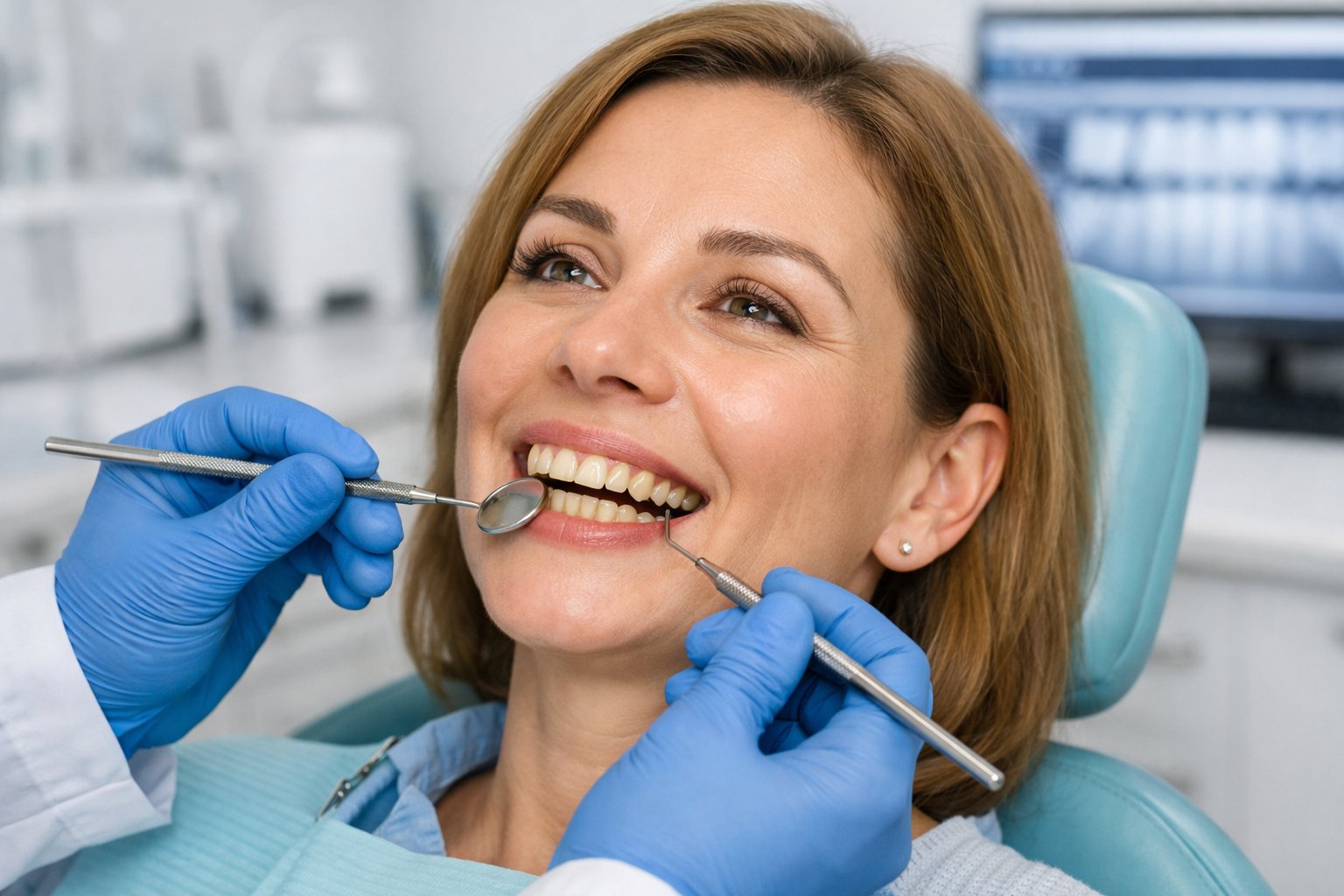
Once you are numb, the tooth is carefully reshaped to make room for the crown that will fit over it. This is the longest part of the first visit. You will feel vibration, pressure, and water spray, but not pain. If you feel anything sharp at any point, tell your dentist and more anesthetic can be placed immediately. There is no reason to tough anything out in the chair.
Impressions and the temporary crown
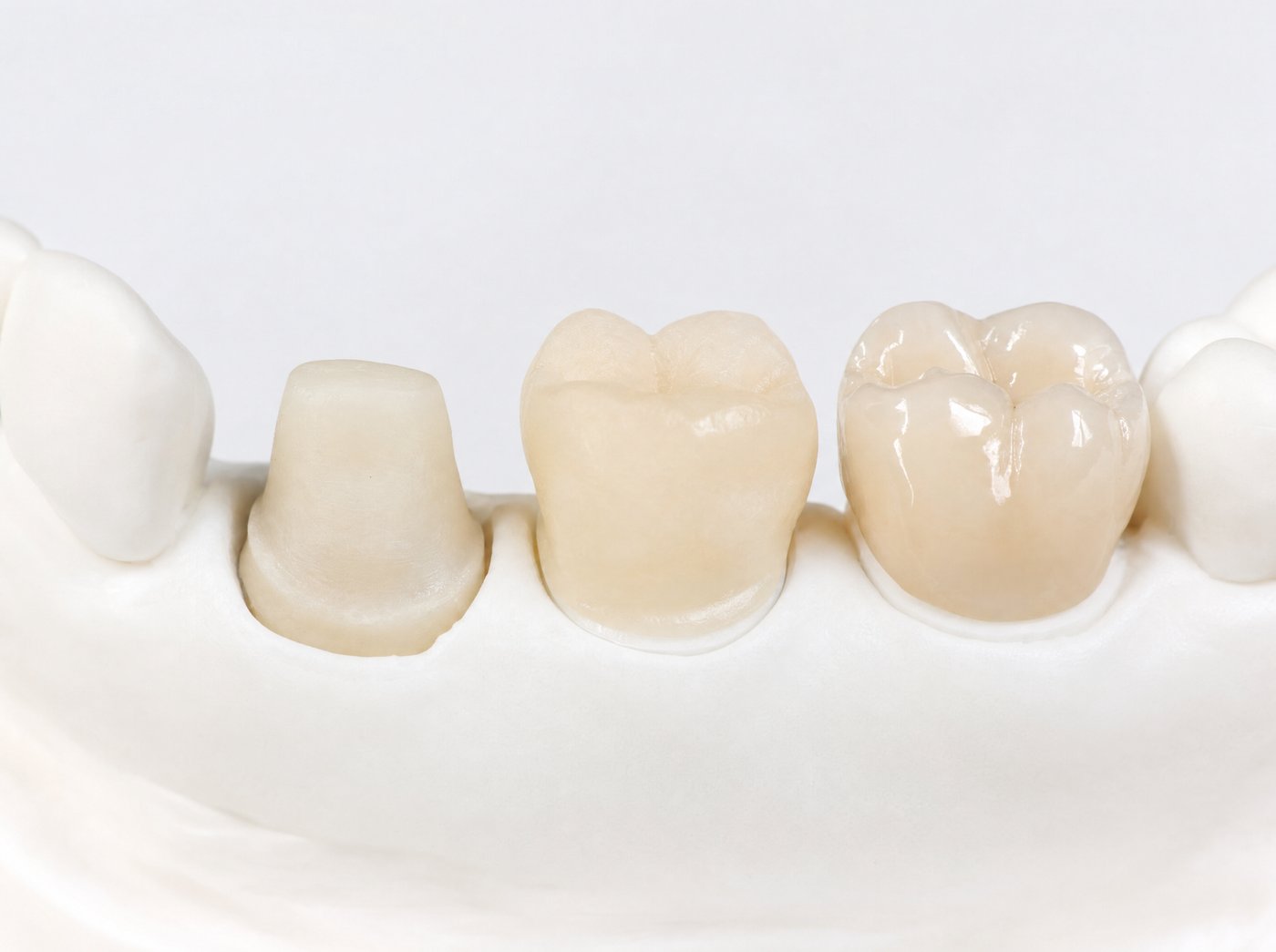
After shaping, an impression of the prepared tooth is taken so the dental lab can craft a crown that fits your bite exactly. You leave the first visit with a temporary crown protecting the tooth. The temporary is functional but not as strong as the final restoration, so it comes with a short list of instructions: chew on the other side when you can, skip very sticky or hard foods, and call the office if it loosens.
The placement visit is the easy one
When your final crown is ready, the second visit is short and usually the most comfortable part of the whole process. The temporary comes off, the new crown is tried in, the fit and bite are checked and adjusted, and the crown is cemented into place. Many patients need little or no anesthetic at this appointment, and most are surprised by how quickly it goes.
What You Will Feel During And After
During the appointment
Pressure, vibration, and the sensation of water and air on the tooth. That is the honest list. Local anesthetic blocks the nerves that carry pain, but it does not switch off your sense of touch, so your brain still registers that work is happening. Patients who go in expecting total silence from the tooth sometimes mistake pressure for the beginning of pain and tense up. Knowing the difference ahead of time genuinely helps.
The first day or two
As the anesthetic wears off a few hours after the visit, the gum around the tooth may feel tender, a little like a bruise. Some soreness in the jaw joint from holding your mouth open is also common. Over the counter pain relievers such as ibuprofen or acetaminophen handle this level of discomfort well for the vast majority of patients, and many need nothing at all.
The first two weeks
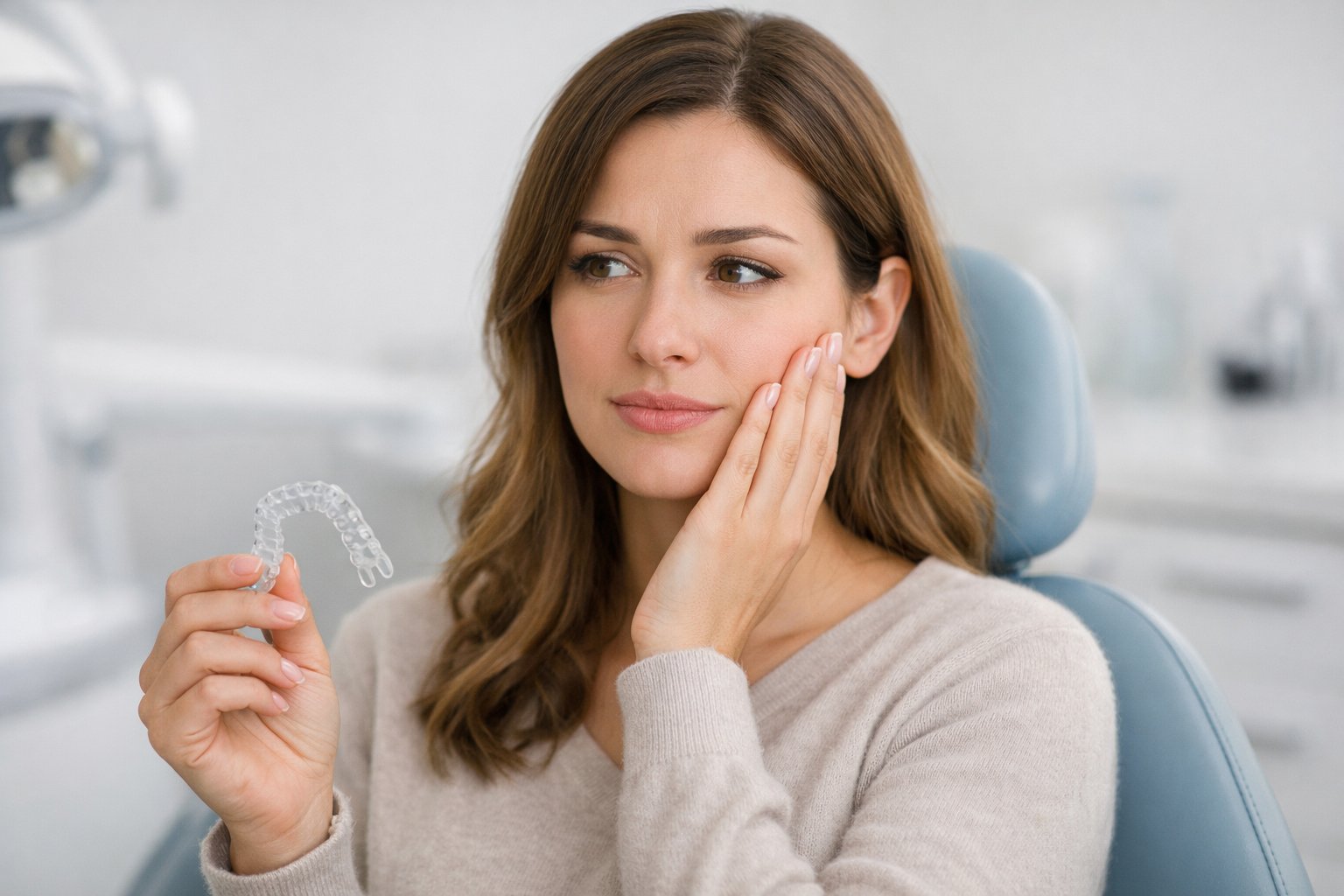
Mild sensitivity to hot and cold is the most common experience while a freshly crowned tooth settles, especially with a temporary crown in place. This typically fades gradually over one to two weeks. A toothpaste for sensitive teeth can take the edge off in the meantime. Sensitivity that is slowly improving is a sign of normal healing, not a sign that something went wrong.
When Discomfort Is Not Normal
Most crown discomfort is mild and temporary. A few patterns, though, are worth a same week call to the office rather than waiting out.
Your bite feels off
If the crowned tooth hits before your other teeth when you close, or chewing on it feels bruised days after placement, the crown may simply be sitting a fraction of a millimeter high. This is one of the most common causes of pain after a crown and one of the easiest to fix. A quick bite adjustment at the office, no anesthetic needed, usually resolves it within a day or two.
Throbbing or lingering pain
Pain that wakes you at night, throbbing that lasts more than a few seconds after hot or cold, or spontaneous aching weeks after placement can mean the nerve inside the tooth is irritated or that decay was deeper than it appeared. Sometimes a tooth that needed a crown was already close to needing root canal treatment, and the crown procedure reveals it. Catching this early keeps your options open, so do not sit on that symptom.
A loose crown, or one that comes off
A crown that wiggles, or a temporary that falls out, exposes the prepared tooth underneath. Even if it does not hurt, call the office the same day. The exposed tooth is vulnerable, and neighboring teeth can begin shifting into the space surprisingly quickly. Keep the crown if it comes off, since it can often be recemented if the tooth underneath is healthy.
How Crown Visits Stay Comfortable With Dr. Visot
Comfort during a crown procedure is mostly the product of unhurried technique: numbing thoroughly and confirming it before starting, checking in with the patient throughout, and taking the time to get the bite right before you leave, since a high crown is the most preventable source of after visit soreness. That is the approach patients can expect at our Woodland Hills office.
Material choice matters for long term comfort too. Modern ceramic options like zirconia crowns and porcelain crowns are strong, smooth, and gentle on the opposing teeth, and they can be matched closely to your natural shade. If you are weighing which material fits your situation, the office can walk you through the tradeoffs during your exam.
If a tooth in your mouth is cracked, heavily filled, or sensitive when you chew, it is worth finding out whether a crown is the right fix before the problem grows. You can read more about the signs a tooth needs a crown, or simply schedule an exam and get a direct answer.
Frequently Asked Questions
How long does it take to get a dental crown?
The typical timeline is two visits spaced a couple of weeks apart. The first visit, where the tooth is shaped and the impression is taken, usually runs about an hour. The placement visit is shorter, often around thirty minutes. In between, the dental lab fabricates your permanent crown while you wear a temporary.
How long will my mouth stay numb after the appointment?
Local anesthetic typically takes two to four hours to wear off fully, depending on the type used and your own metabolism. Be careful with hot drinks and chewing until feeling returns, since it is easy to bite your cheek or tongue without noticing while numb.
Can I eat normally after getting a crown?
With a temporary crown, stay gentle: chew on the other side where possible and avoid sticky candies, gum, and very hard foods that could dislodge it. Once the permanent crown is cemented, you can return to eating normally within a day, though it is sensible to let any lingering sensitivity guide you for the first week.
Why does my crowned tooth still hurt weeks later?
Persistent pain weeks after placement is not part of normal settling. The most common culprits are a bite that needs adjusting, gum irritation around the crown margin, or an inflamed nerve inside the tooth. Each has a different fix, and all of them are easier to address sooner rather than later, so schedule an evaluation.
Does getting a crown hurt more than a filling?
The sensations are very similar, since both procedures use the same local anesthetic and similar instruments. A crown appointment is longer and involves more of the tooth, so there can be slightly more post visit tenderness, but most patients rate the two experiences about the same. Fear of the crown visit is almost always worse than the visit itself.
Do crowned teeth need special care?
No special products are required, just consistent brushing, daily flossing along the crown margin, and regular checkups. The tooth under a crown can still develop decay at the gum line, so the crown protects the tooth but does not make it invincible. With good habits, a well made crown commonly lasts a decade or more.